Cannabis oil for Parkinson's: how does it help?

The cannabis oil for Parkinson's disease has attracted a great deal of interest in recent years as a possible natural alternative to alleviate the symptoms of this neurodegenerative disease. As Parkinson's disease progresses, many patients experience trembling, muscle stiffness, balance problems and chronic painwhich significantly affects their quality of life. In the absence of curative treatments, more and more people are looking for complementary options to help improve their daily well-being.
In this context, the cannabis and Parkinson's have been the subject of much scientific research. The active compounds in cannabis, such as CBD (cannabidiol) and THC (tetrahydrocannabinol)have been shown to have beneficial effects on the nervous system, which may help reduce some symptoms of the disease. In addition, many patients report improvements in their mobility, sleep quality and emotional well-being after incorporating cannabis oil into their routine.
However, Is cannabis oil really effective for Parkinson's? What does the science say about it? In this article, we will look at how it works, its most relevant benefits, the differences between CBD and THC, its legality in Spain and how it can be used safely. If you are considering this option as part of your treatment, here you will find key information to help you make an informed decision.
The Parkinson is a progressive neurodegenerative disease which affects the central nervous system, causing a gradual loss of motor control. This results in symptoms such as tremors, muscle stiffness, difficulty walking and balance problemsThis has a significant impact on the autonomy and quality of life of those who suffer from it.
As the disease progresses, the symptoms become more severe and may include other associated problemssuch as:
- Sleep disordersThis makes it difficult to rest and worsens general well-being.
- Chronic painThe result of muscle stiffness and constant tension in the body.
- Cognitive and emotional difficultiesincluding memory problems, anxiety and depression.
While the conventional treatments can help to alleviate some symptomsare not able to stop the progression of the disease nor do they work in the same way in all patients. As a result, many people seek natural alternatives to improve their quality of life, including the cannabis oil for Parkinson's diseasewhich has attracted a great deal of interest for its potential therapeutic benefits.

How can cannabis oil help Parkinson's disease?
The cannabis oil for Parkinson's disease has attracted the attention of patients and specialists due to its possible beneficial effects on the symptoms of this neurodegenerative disease. This is due to the presence of cannabinoidsactive compounds in cannabis that interact with the endocannabinoid system of the body. These include the CBD (cannabidiol) and the THC (tetrahydrocannabinol)which have been studied for their impact on mobility, pain and general wellbeing in people with Parkinson's disease.
Below, we explore the main benefits that could be brought about by the cannabis oil for Parkinson's disease in disease management.
Reduction of tremors and muscle stiffness
One of the most characteristic symptoms of Parkinson's disease is the involuntary tremors and the muscle stiffnessThis makes mobility and daily activities difficult. Some studies suggest that both the CBD like THC can help to reduce the intensity of tremors and improve muscle flexibility. In this way, the controlled use of the cannabis oil for Parkinson's disease could contribute to greater autonomy and a better quality of life.
Chronic pain relief
The neuropathic and muscular pain is one of the most common complaints in people with Parkinson's disease, affecting their general well-being. The relationship between cannabis and Parkinson's has been studied in multiple research studies, where it has been observed that the cannabinoids can significantly reduce pain by acting on receptors in the nervous system. This converts the cannabis oil for Parkinson's disease an interesting alternative for those looking for natural options for persistent pain.
Improved sleep
Insomnia and others sleep disorders affect a large number of Parkinson's patients, causing fatigue, irritability and worsening of other symptoms. Cannabis oil can help improve sleep qualityas the CBD promotes relaxation without intense sedative effects, while the THC can induce sleep in people who have difficulty falling asleep. As a result, those who use cannabis oil for Parkinson's disease can experience more restful nights and more energetic days.
Neuroprotective effect
In addition to symptomatic relief, preliminary studies suggest that the CBD may have neuroprotective properties. This means that, potentially, could help slow Parkinson's progression by protecting brain cells from oxidative and inflammatory damage. Although further studies are still required, this possibility makes the cannabis oil for Parkinson's disease is a promising alternative in the field of natural medicine.
Differences between CBD and THC in the treatment of Parkinson's disease
Within the use of the cannabis oil for Parkinson's diseaseIt is essential to know the difference between the two main active compounds: the CBD (cannabidiol) and the THC (tetrahydrocannabinol). Although both belong to the same family of cannabinoids, their effects and applications in the treatment of the disease vary significantly.
CBD: properties and benefits
The CBD (cannabidiol) has become one of the most popular alternative treatment options for Parkinson's due to its multiple benefits.
- Non-psychoactiveThis means that it does not alter perception or produce euphoric effects.
- Anti-inflammatory and neuroprotective propertieswhich may help reduce the brain swelling associated with Parkinson's disease.
- Anxiolytic and relaxing effectThe ideal way to reduce the stress and anxiety that often accompany the disease.
- Chronic pain reliefhelping to reduce muscle and joint discomfort without the side effects of traditional painkillers.
- Improved sleepIt promotes rest without causing extreme drowsiness the next day.
For these reasons, the CBD is an ideal choice for those seeking to alleviate Parkinson's symptoms without experiencing psychoactive effects. or alterations in their mental state.
THC: effects and limitations
On the other hand, the THC (tetrahydrocannabinol) is the best known compound in cannabis and the one mainly responsible for its psychoactive effects. This does not mean, however, that its use in the Parkinson's treatment is negative; in fact, it can bring significant benefits when used correctly.
- May help reduce tremors and muscle stiffnessoffering relief in times of crisis.
- Promotes relaxation and improves the quality of sleephelping to combat the insomnia associated with Parkinson's disease.
- Stimulates appetitewhich can be beneficial for those experiencing weight loss due to the disease.
Despite these positive effects, the THC use must be controlledbecause in high doses can cause dizziness, confusion, dry mouth and even increased anxiety. in some cases. Furthermore, its legality varies from country to country and the concentration permitted in medical cannabis products.
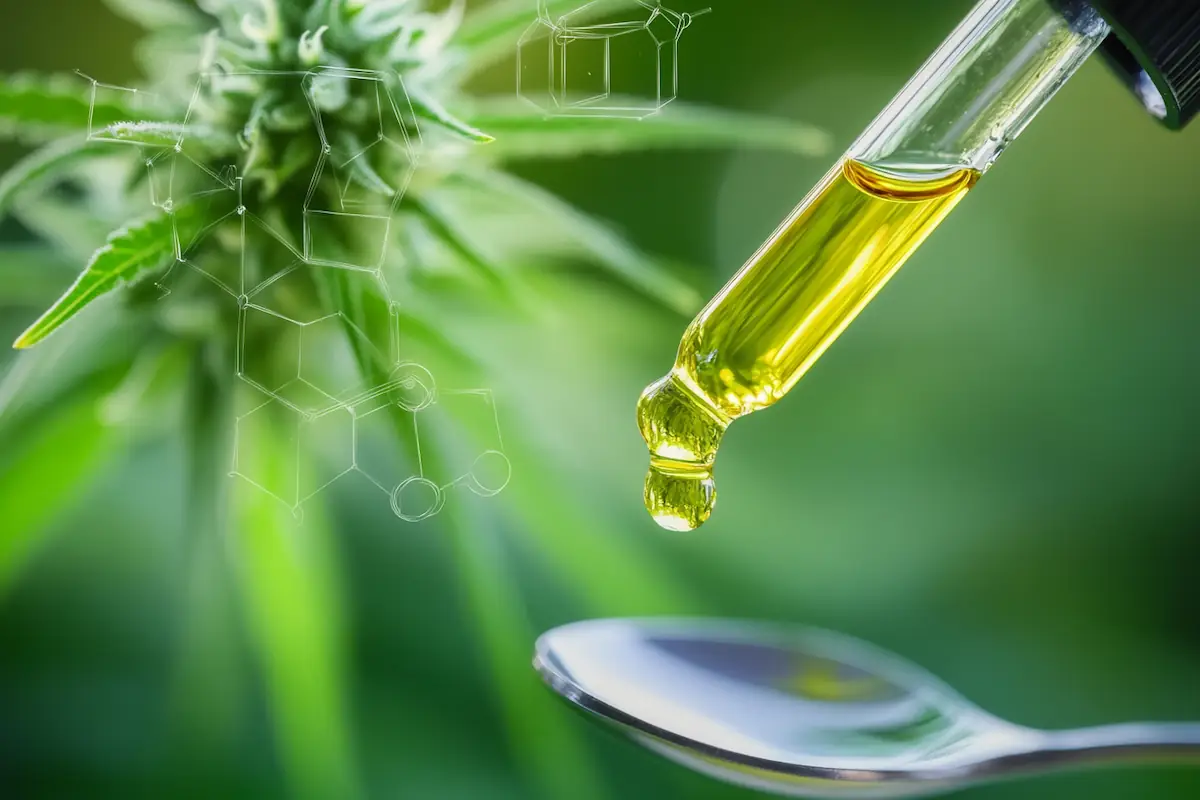
How to use cannabis oil for Parkinson's disease?
Cannabis oil can be consumed in various ways, depending on the patient's tolerance and needs:
- Sublingual: A few drops are placed under the tongue for rapid absorption.
- Capsules: They allow precise dosing.
- Infusions or food: Alternative for those who prefer to avoid the taste of oil.
It is advisable to start with low doses and gradually increase according to the body's response.
Is cannabis oil for Parkinson's worth a try?
The cannabis and Parkinson's are still a developing field of research, but early results are promising. Although not a cure, the cannabis oil for Parkinson's disease can offer relief from some symptoms and improve patients' quality of life.
If you want to explore more about the benefits of cannabis and access quality products, become a member of The High Class Barcelona and discover a world of possibilities.
👉 Join now


