Odour mitigation in marijuana cultivation
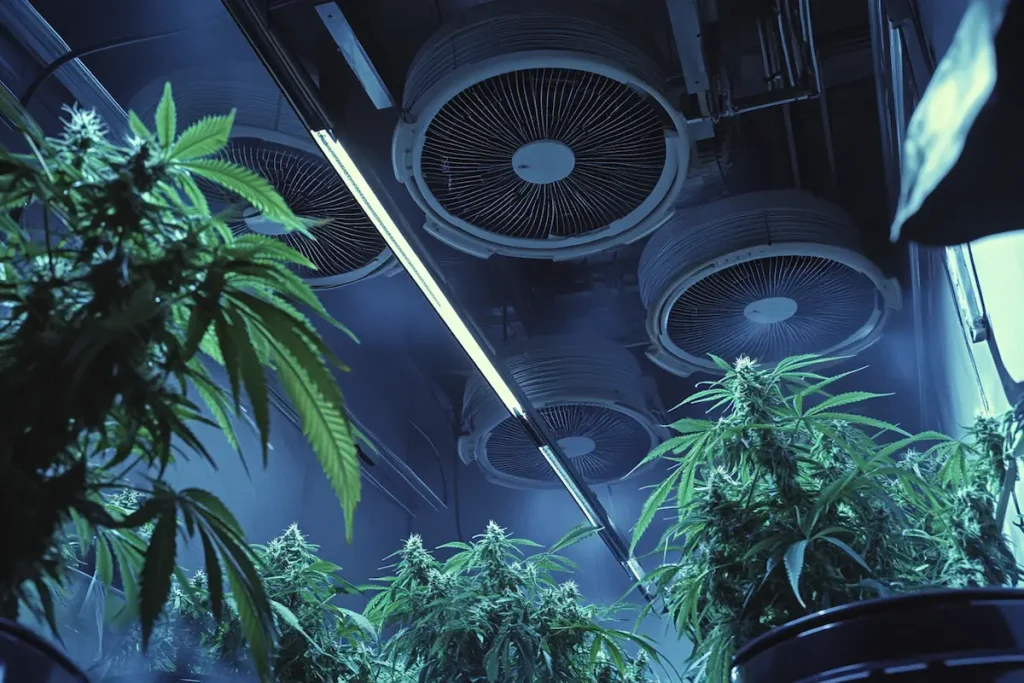
Growing marijuana comes with various challenges, and one of the most important is odour control. The characteristic smell of cannabis can be intense and easily noticeable, which can cause problems both legally and with the neighbours. For this reason, it is essential to apply effective strategies to control and reduce the odours given off by the plants, ensuring discretion and compliance with the rules.
There are various solutions to this problem, from advanced filtration systems to more natural methods that help neutralise odours without compromising the quality of the crop. In addition, properly managing airflow and using specialist products can make a big difference to how effective the measures are. It is important to know and combine these techniques to get the best results in reducing odours.
Odour mitigation methods for marijuana crops
To achieve effective odour control in marijuana grows, it is essential to take a comprehensive approach that combines advanced technologies with natural methods. The choice of strategy will depend on the size of the grow, the surroundings and each grower's specific needs. Below we look at the most effective solutions for controlling odours in a cannabis grow.
Activated carbon filters: the most effective solution
One of the most effective and widely used methods for odour control in marijuana grows is the use of activated carbon filters. These devices are highly efficient at removing the volatile compounds responsible for cannabis's strong aroma.
How do carbon filters work?
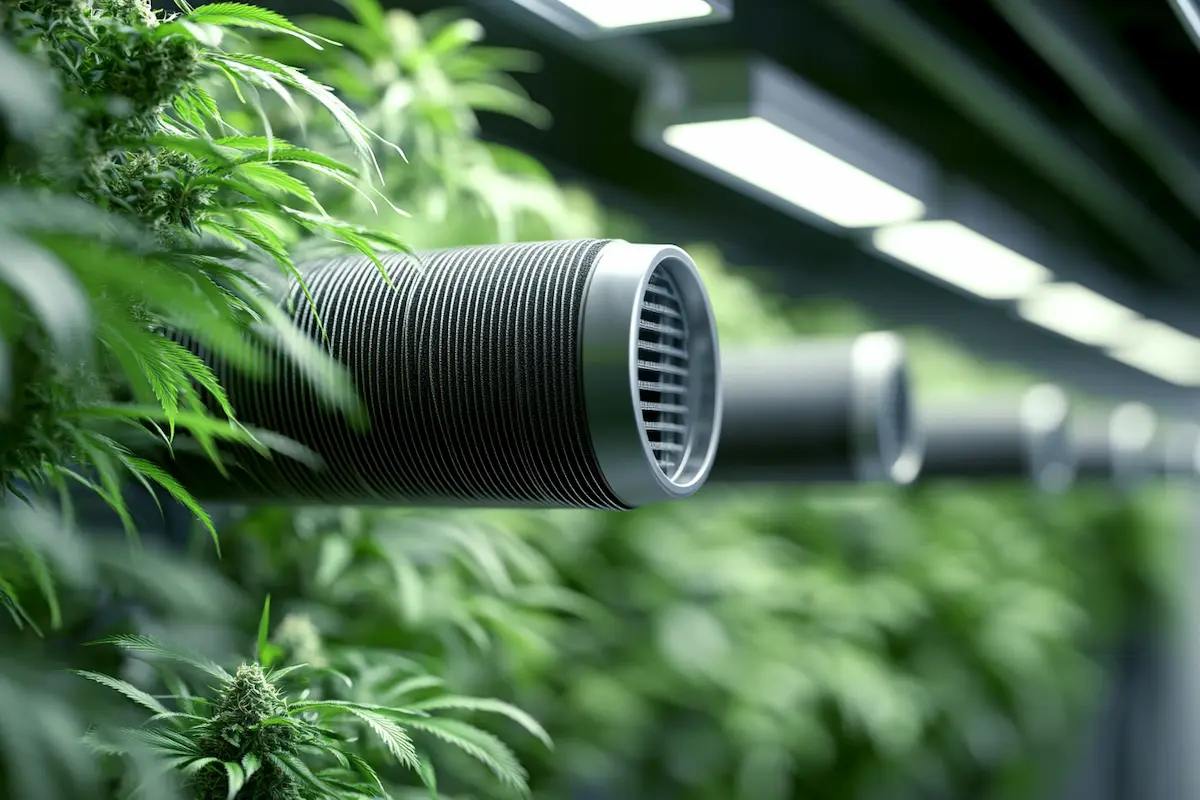
Activated carbon filters work through a process of adsorption, trapping and neutralising odour molecules in their porous structure. They are installed in ventilation systems so that the air expelled is free of strong odours.
The main characteristics that determine its effectiveness are as follows:
- Adsorption capacity: The more activated carbon there is, the greater the capacity to absorb odours.
- Extractor size and airflow: It is important that the filter is compatible with the power of the ventilation system.
- Maintenance and replacement: Filters must be changed periodically to maintain their efficiency.
Ozone generators: a viable option?
Another option for odour control in marijuana grows is the use of ozone generators. These devices produce ozone (O₃), a highly reactive molecule that breaks down odour particles in the air.
Advantages and disadvantages of ozone
✔ Removes odours effectively, even in large spaces.
✔ Leaves no residue and does not affect air quality once it has dissipated.
✘ Can be harmful to health if overused or used in enclosed spaces.
✘ Should not be used when people or plants are present, as it can harm the development of the crop.
Ventilation and airflow control
Proper airflow management is a key aspect of odour control in marijuana grows. An efficient ventilation system not only dilutes odours but also directs them towards the filtration systems to be removed.
Tips for effective ventilation
- Install extractor fans with suitable filters, ensuring a constant change of air.
- Maintain negative pressure inside the grow, preventing odours from escaping uncontrolled.
- Seal ducts and air outlets properly to prevent unwanted odour leaks.
Odour neutralisers and natural solutions
In addition to mechanical and technological methods, there are specific products and natural alternatives that can help control odours without the need for major investment.
Neutralising products
There are various products designed to capture and eliminate odours in the air rather than masking them. The most notable include:
- Neutralising gels, which absorb odour particles and break them down.
- Specialist sprays, formulated to neutralise odours without affecting air quality in the grow.
- Air fresheners designed for grows, which do not interfere with plant development.
Natural methods
If you are looking for a more eco-friendly and discreet solution, you can turn to natural methods of odour control in marijuana grows, such as:
- Aromatic plants: Growing species such as lavender, basil or mint near the crop can help disguise the smell of cannabis.
- Natural absorbents: Placing charcoal, bicarbonate of soda or zeolite at strategic points helps reduce the concentration of odours in the air.
Factors influencing crop odour intensity
The level of odour in a marijuana grow varies depending on several factors, which determine how necessary and effective the odour control measures to be put in place will be. Understanding these aspects lets you anticipate the problem and apply more effective solutions.
Plant genetics
One of the most decisive factors in the intensity of the smell is the cannabis genetics. Not all marijuana strains produce the same amount of terpenes, the compounds responsible for the plant's characteristic aroma.
- Some strains have a stronger terpene profile, which makes them give off a more powerful and persistent smell.
- Other strains have been developed specifically to be less smelly, making them easier to grow in settings where discretion is a priority.
- Indica-dominant strains tend to have denser, more pungent aromas, while sativas can be more citrusy and fresh, though not necessarily less intense.
Choosing the right strain can therefore be a key strategy in odour control in marijuana grows, especially in spaces where controlling the aroma is essential.
Cultivation stage
The smell of a cannabis crop does not remain constant throughout its life cycle, but varies depending on the stage of development of the plant.
- During the vegetative stage, the smell is relatively mild, as the plants have not yet developed a large quantity of terpenes.
- In the flowering stage, however, especially in the final weeks, the aroma intensifies significantly due to the massive production of resin and essential oils.
- The smell peaks during harvesting and drying, when the trichomes are fully developed and the terpenes evaporate into the air more easily.
For this reason, odour control in marijuana grows needs to be stricter during the flowering and harvest stages, making sure the filtration and neutralisation systems are powerful enough to control odour emissions.
Crop size
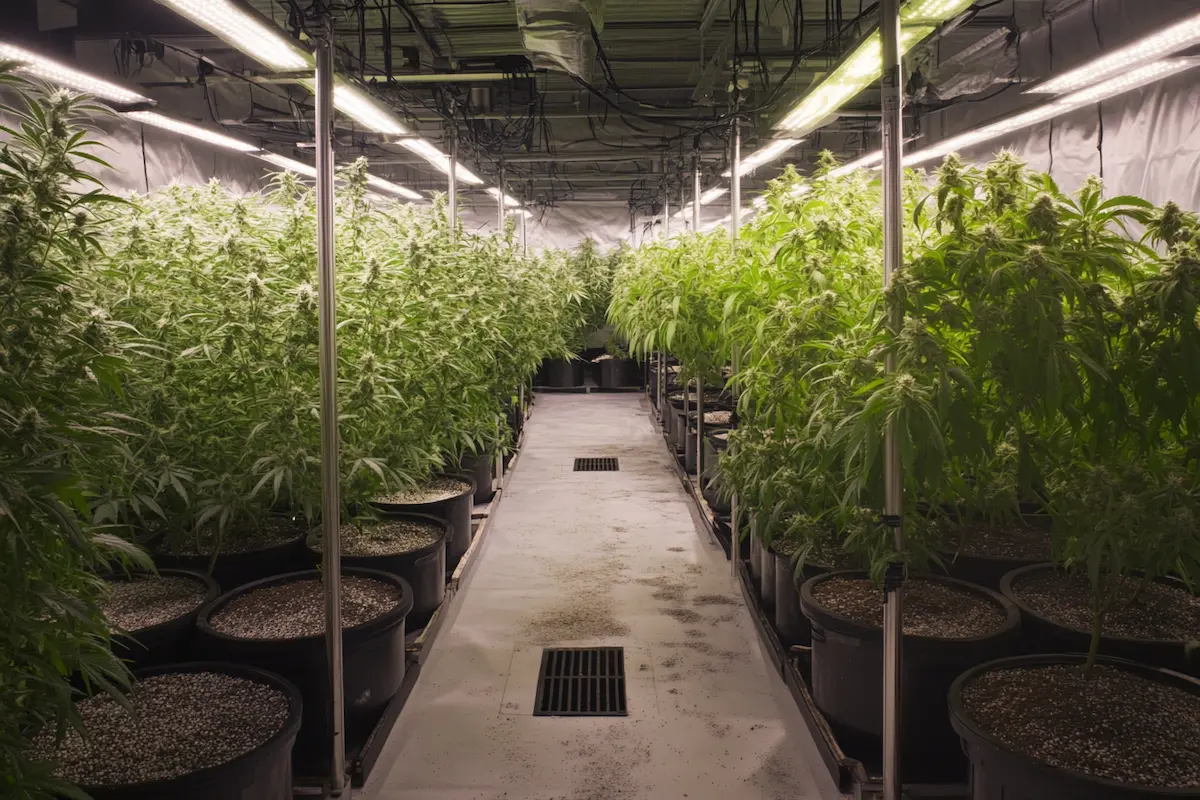
Another key factor is the number of plants grown, as a higher growing density produces a stronger and more persistent smell.
- A small grow with just a few plants can be managed with basic control measures, such as activated carbon filters and adequate ventilation.
- A medium or large grow requires more advanced systems, such as higher-capacity extractor fans, ozone generators or even a combination of several odour-neutralising techniques.
- In addition, a well-sealed grow space helps contain the smell and makes it easier to treat before it spreads outside.
Consequently, the size of the grow determines the investment and the type of strategies needed for efficient and effective odour control in marijuana grows.
Odour mitigation in marijuana cultivation: key to discreet and efficient cultivation
Controlling odours in a marijuana grow is a necessity, both for discretion and for regulatory compliance. Putting in place solutions such as activated carbon filters, adequate ventilation and odour neutralisers can make all the difference.
If you are looking for a place to enjoy cannabis with complete peace of mind and within the law, join The High Class Barcelona, an exclusive cannabis club where you can consume marijuana in a safe and regulated environment.
Become a member here and enjoy the best experience at a premium club.
You may also be interested in
- Outdoor and Indoor Cannabis Cultivation: A Basic Guide
- Hop Plant and Cannabis Plant: Family Cannabaceae
- How to Grow and Care for Indoor Cannabis Plants
Want to get to know us? Discover our cannabis association in Barcelona, see how to get to the club and contact us to request your invitation. Access for members aged 21 and over only.


